

Key Considerations When Purchasing n-Butyl Bromide in Bulk
n-Butyl Bromide (1-bromobutane) is a versatile chemical compound used across numerous industries, including pharmaceuticals, agrochemicals, and specialty chemical manufacturing. Its applications in organic synthesis, as a building block in chemical production, and in research highlight its importance in industrial operations. However, sourcing n-Butyl Bromide in bulk requires careful planning to ensure quality, cost-efficiency, and compliance with industry standards. Below, we explore the key considerations industries should prioritize when purchasing n-Butyl Bromide in bulk.
1. Purity: Ensuring High-Quality Product
Purity is one of the most critical factors when sourcing n-Butyl Bromide. The performance and safety of processes relying on n-Butyl Bromide depend heavily on the chemical's quality.
- Industrial Use: For chemical manufacturers using n-Butyl Bromide in synthesizing pharmaceuticals, agrochemicals, or specialty chemicals, even small impurities can lead to inefficiencies, compromised products, or undesirable reactions.
- Verification: Always verify the supplier provides a Certificate of Analysis (COA) specifying purity levels, typically measured in percentages or parts per million (ppm). A reputable supplier should also disclose impurity profiles.
By ensuring high purity, industries can optimize process performance and achieve consistent end-product quality.
2. Supplier Reliability: Choosing a Trusted Partner
Reliability in the supply chain is crucial, particularly when sourcing chemicals in bulk. An unreliable supplier can lead to delays, inconsistencies, or disruptions in production.
- Track Record: Look for a supplier with a proven history of supplying n-Butyl Bromide to your industry. References or reviews from other customers can offer valuable insights.
- Supply Consistency: Ensure the supplier can meet your demand consistently, especially during peak operational periods. Inquire about inventory levels and shipping timelines.
- Customer Support: A good supplier should offer robust customer support to address questions, technical issues, or urgent requests promptly.
Collaborating with a trusted supplier minimizes risks and ensures smooth operations.
3. Regulatory Compliance: Meeting Industry Standards
Regulatory compliance is a critical aspect when sourcing n-Butyl Bromide in bulk. Chemicals used in manufacturing or industrial processes must adhere to strict safety, environmental, and legal standards.
- Global Standards: Confirm the supplier complies with regulations such as REACH (Registration, Evaluation, Authorization, and Restriction of Chemicals) in Europe or TSCA (Toxic Substances Control Act) in the United States.
- Hazard Management: n-Butyl Bromide is classified as a hazardous chemical, so your supplier must provide proper documentation, including Material Safety Data Sheets (MSDS) and labeling that adheres to regulatory standards.
- Export/Import Regulations: If sourcing from an international supplier, ensure all import/export requirements are met, including certifications and permits.
Compliance safeguards your operations from legal or safety issues while contributing to sustainability goals.
4. Packaging and Logistics: Practical Considerations
Efficient storage, handling, and transportation of n-Butyl Bromide are essential to maintaining product integrity and ensuring workplace safety.
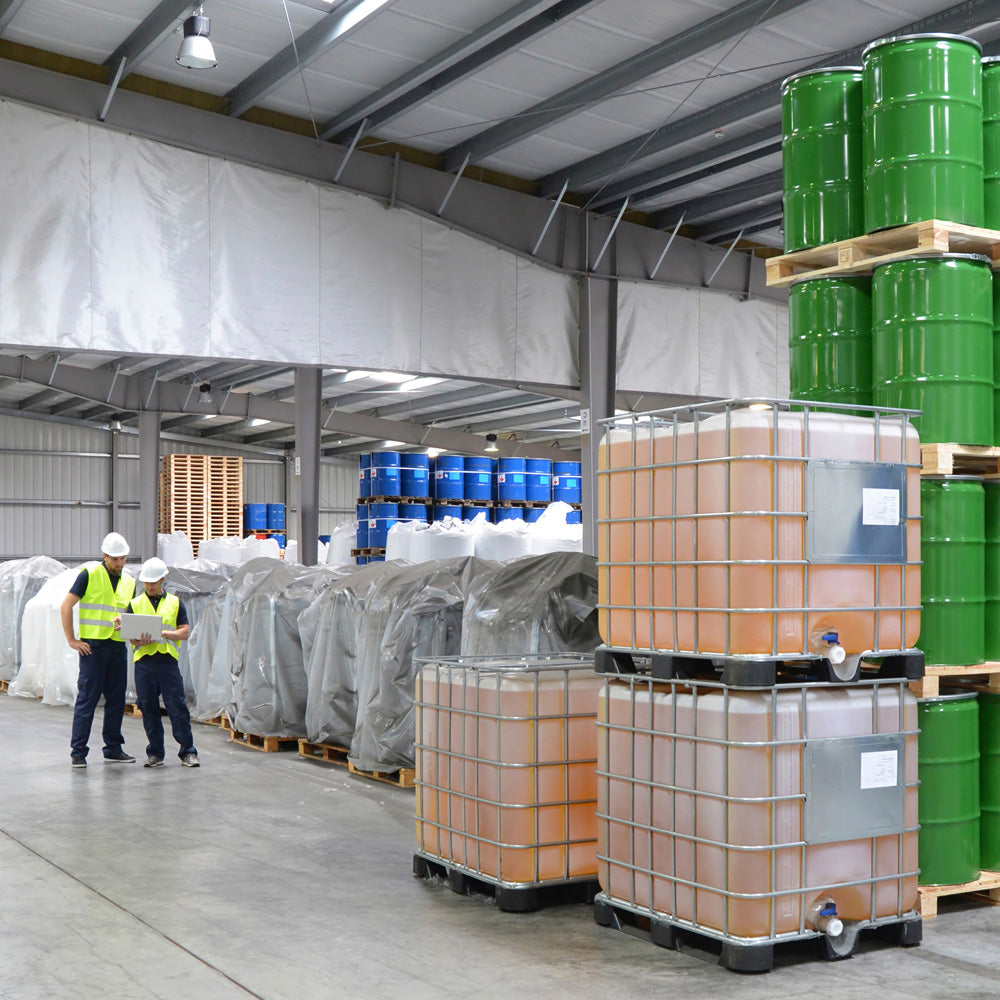
- Packaging Standards: Ensure the chemical is supplied in containers appropriate for its storage requirements, such as UN-certified drums or containers with leak-proof seals.
- Handling Needs: n-Butyl Bromide requires careful handling due to its flammability and potential health hazards. Collaborate with a supplier familiar with proper shipping protocols.
- Transport Logistics: Work with a supplier experienced in shipping hazardous materials to avoid potential delays or non-compliance with transport regulations.
Logistical foresight minimizes costs and disruptions while ensuring the safe delivery of your bulk chemical order.
5. Cost-Efficiency: Balancing Price and Quality
Cost-efficiency is another essential factor when purchasing n-Butyl Bromide in bulk. While competitive pricing is desirable, it should never come at the expense of quality or reliability.
- Volume Discounts: Inquire about pricing options for bulk quantities and explore potential cost savings through larger orders.
- Total Costs: Consider the total cost of ownership, including shipping, handling, and potential storage expenses. A slightly higher upfront cost may prove more economical in the long run if the supplier offers additional value.
- Payment Terms: Review payment terms and conditions to ensure they align with your budgeting needs.
Balancing affordability with product quality and supplier reliability ensures long-term value for your investment.
Why Partnering with the Right Supplier Matters
Sourcing n-Butyl Bromide in bulk involves more than just price negotiation; it’s about finding a partner who understands your industry’s needs and offers consistent, high-quality solutions. From purity and compliance to packaging and logistics, the right supplier adds value by reducing risks, ensuring product integrity, and streamlining the procurement process.
When to Contact Rock Chemicals Inc
For industries seeking a reliable source of n-Butyl Bromide, Rock Chemicals Inc stands out as a trusted partner. With a commitment to quality, compliance, and customer satisfaction, Rock Chemicals Inc provides high-purity n-Butyl Bromide tailored to meet your specific industrial requirements. Whether you’re in pharmaceuticals, agrochemicals, or specialty manufacturing, they have the expertise to ensure a seamless supply chain.
Contact Rock Chemicals Inc today to discuss your bulk order needs and discover how they can support your operations with high-quality chemical solutions.

Reclaimed and Remanufactured Chemicals: Specifications, Qualification and Sustainability Benefits
For many industrial processes, the question isn't only "where can I buy this chemical?" but "does it have to be virgin material?" Reclaimed and remanufactured chemicals are recovered, purified or reprocessed from secondary chemical streams so they can be reused in approved industrial applications. Used with the right specification and qualification process, they can give buyers another sourcing option and support resource-efficiency goals. This guide explains how they differ from virgin material, how to qualify them, and where they fit.

Chemical Documentation FAQ: SDS, CoA, TDS, Spec Sheets, Kosher/Halal Letters and Traceability
Before a new chemical source is approved, quality, regulatory and EHS teams usually want paperwork, and the acronyms pile up fast: SDS, CoA, TDS, spec sheets, kosher and halal certificates, allergen statements. This guide explains what the most common chemical documentation types are, what each one tells you, and when to ask for it, so you can collect the right documents early in the chemical purchasing process.

What to Include in a Chemical RFQ: CAS, Grade, Volume, Packaging, Incoterms and Documents
A chemical quote is only as accurate as the request behind it. If an RFQ says "price for 5,000 lbs of glycol," the supplier has to guess the exact chemical, grade, packaging, destination and timing, and each guess can change the price, the lead time or whether the product is even suitable. This checklist covers what to include in a chemical RFQ so you get a faster, more accurate quote you can actually compare.

Semi-Bulk vs. Bulk Chemical Packaging: Drums, IBC Totes, Tank Trucks and Railcars Explained
Choosing a package is one of the first decisions in any bulk chemical purchase, and it affects more than the freight bill. The container you pick decides how much you store on site, how you unload and transfer the product, how much packaging you have to handle afterward, and how often you have to reorder. This guide explains the main semi-bulk and bulk chemical packaging options (drums, IBC totes, tank trucks and railcars) and the trade-offs procurement and operations teams should weigh before they request a quote.

What Is Reclaimed Methanol? Industrial Uses, Specifications and Sourcing Considerations
Methanol is used throughout industrial manufacturing as a solvent, chemical feedstock, and process material. While virgin methanol is widely available, certain industrial processes may also be able to use properly specified reclaimed methanol.

Reclaimed Isopropyl Alcohol for Industrial Cleaning, Coatings, Inks and Manufacturing
Isopropyl alcohol is widely used as an industrial solvent because it can serve a variety of cleaning, processing, and formulation applications. For manufacturers whose specifications permit remanufactured solvents, reclaimed isopropyl alcohol may provide an additional sourcing option.

Where to Buy Reclaimed Ethanol 190 Proof in Bulk for Industrial Use
Industrial manufacturers searching for ethanol do not always require virgin material. For applications where the specifications are appropriate, reclaimed ethanol 190 proof can provide manufacturers and processors with another industrial solvent sourcing option.

Reclaimed Ethanol vs. Virgin Ethanol: What Industrial Buyers Should Consider Before Purchasing
Industrial ethanol buyers may have more than one sourcing option. While some processes require a specific virgin or regulated-grade ethanol, other industrial applications may be able to use properly specified reclaimed ethanol.

How to Choose a Bulk Sodium Borohydride Supplier for Manufacturing and Water Treatment
When sodium borohydride is an important part of an industrial process, choosing a supplier involves more than comparing prices. Manufacturers and treatment facilities should evaluate whether a supplier can provide the appropriate product, support required volumes, provide necessary documentation, and reliably deliver material according to production requirements.

Where to Buy Reclaimed Methanol 99% in Bulk for Industrial Applications
Methanol is widely consumed across industrial manufacturing and chemical processing, but not every process necessarily requires virgin material. For applications where specifications permit, reclaimed methanol can provide manufacturers with another bulk solvent and chemical feedstock sourcing option.
Where to Buy Sodium Borohydride in Bulk for Industrial Applications
Companies that rely on sodium borohydride for industrial production need more than a chemical source. They need a supplier capable of supporting the required product form, quantities, documentation, logistics, and ongoing purchasing requirements.

Reclaimed Methanol vs. Virgin Methanol: A Purchasing Guide for Industrial Buyers
Companies purchasing large quantities of methanol may have both virgin and reclaimed sourcing options. The right choice depends primarily on process requirements, specifications, availability, and total supply economics.

Where to Buy Reclaimed Isopropyl Alcohol 99.8% in Bulk
Manufacturers that consume large quantities of isopropyl alcohol may have options beyond virgin IPA. For industrial processes where specifications permit, reclaimed isopropyl alcohol can provide another source of high-assay solvent for manufacturing, cleaning, coatings, inks, adhesives, and chemical processing.

How to Qualify a Reclaimed IPA Supplier for Industrial Manufacturing
Switching from virgin solvent to reclaimed material—or adding a reclaimed source alongside an existing supplier—should involve both technical and commercial qualification.

Choline Chloride 70% for Multi-Basin Oilfield Chemical Supply Programs
Oilfield chemical companies frequently serve customers across more than one producing region. A manufacturer may support hydraulic fracturing operations in Texas while simultaneously supplying drilling or completion chemicals to customers operating elsewhere in the United States.

Choline Chloride 70% for Hydraulic Fracturing Chemical Manufacturers: A Raw Material Guide
Hydraulic fracturing chemical manufacturers depend on a diverse portfolio of raw materials to formulate products that perform under specific formation and operating conditions. When fracturing fluids encounter water-sensitive clay minerals, clay stabilization may become an important part of the chemical program.

How to Compare Choline Chloride 70% Suppliers Beyond Price Per Pound
Price matters when purchasing industrial chemicals, but comparing suppliers exclusively by price per pound can overlook factors that have a greater impact on total cost. For manufacturers regularly purchasing Choline Chloride 70%, availability, freight, lead time, consistency, documentation, and supply reliability should all influence supplier selection.

From Sample to Bulk Order: How to Qualify Choline Chloride 70% for Commercial Production
Whether your company is evaluating a new formulation, qualifying an additional source, or preparing to scale an existing product, Rock Chemicals can discuss product specifications, bulk availability, quantities, logistics, and recurring supply requirements.